

ICD-10 Diagnosis

What is ICD-10?

What is ICD-10 and how does it affect your practice?

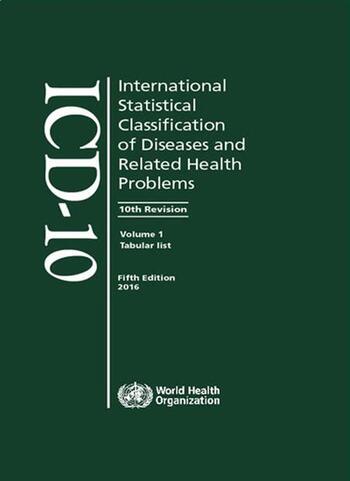
ICD-10 is the clinical diagnostic coding system used throughout the U.S. healthcare system and in most countries around the world. It is far more detailed than earlier coding systems, with more than 70,000 diagnosis codes and in-depth code descriptions that capture a patient’s condition with greater precision. ICD-10 codes are alphanumeric and can contain up to seven characters, allowing for more specific documentation of diagnoses, severity, and location. Accurate ICD-10 coding is essential for clean claims, faster reimbursement, and fewer denials, which is why having experienced billing professionals on your side makes a real difference.

ICD-10 AT A GLANCE

ICD-10 Key Features

✓

7 alphanumeric characters in length

✓

*Approximately 87,000 available codes

✓

Reflects current usage of medical terminology and devices

✓

Flexible for adding new codes

✓

Very specific

✓

Has laterality

✓

Detailed descriptions for body parts

✓

Provides detailed descriptions of methodology and approach for procedures

✓

Precisely defines procedures with detail regarding body part, approach, any device used, and qualifying information

* Figures refer to ICD-10-PCS procedural codes only and do not include diagnostic codes.

Practice Preparation

This increase in complexity and sheer number of medical codes requires automated code management features within medical practice management software and billing software in order to improve productivity and accuracy of medical coding professionals.roductivity standards may have to be redefined, requiring more medical coding staff
  • Need to retrain existing staff and pay to send medical coders back to school
  • Medical providers have to change how they document, more detailed diagnosis information require
  • Each organization needs to develop an implementation plan

Impact

  • The provider encounter documentation will have to expand in terms of diagnosis detail in order to support this new level of medical coding; this is expected to cause a huge impact on medical provider habits
  • Medical billing coders will have to be retrained, as there is no one-to-one relationship for many codes
  • Changes will impact medical coding operations, software systems, reporting, administration, registration and more.

Timeline

There was a transition period prior to the October 1, 2013 go-live date as medical providers and payers prepared for ICD-10. Medical practices had to upgrade to the new 5010 electronic claims and transaction code requirements from the existing 4010 1A in order to accommodate the expansion in the ICD-10 codes. Health plans, medical health care clearinghouses, covered health care providers, and business associates are required to be compliant by January 1, 2012